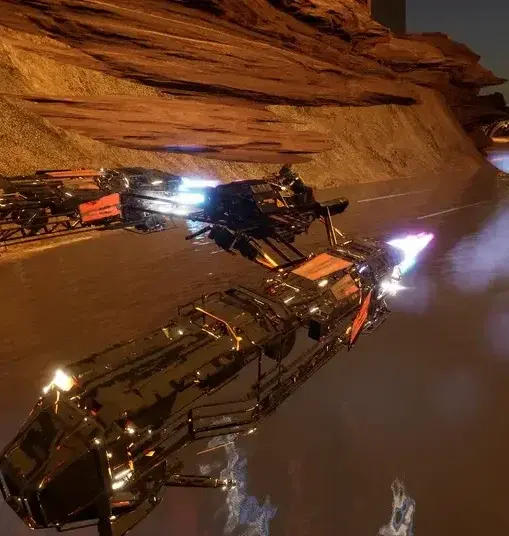

Survive launch-day spikes
Elastic autoscaling and pre-warmed servers absorb sudden increases in player demand without permanently over-provisioning fleets.

 Part of AGS Multiplayer
AccelByte Multiplayer Servers (AMS) provisions, deploys, scales, and monitors dedicated game server fleets across cloud and bare metal, so your team can run multiplayer globally without operating the infrastructure behind every match.
Use AMS with AGS Multiplayer, or run it standalone alongside the systems you already have. No credit card required.
AMS handles the whole dedicated-server lifecycle: provisioning, scaling, and monitoring, so your team never has to run it.
Elastic autoscaling and pre-warmed servers absorb sudden increases in player demand without permanently over-provisioning fleets.
Place capacity across cloud and bare metal in regions near your players, so matches stay fast wherever they play.
AMS handles provisioning, scaling, health monitoring, and fleet orchestration, so your team has fewer sleepless nights.
From your server build to live, autoscaled fleets in four steps.
Upload your dedicated server build with its engine, ports, and health checks.
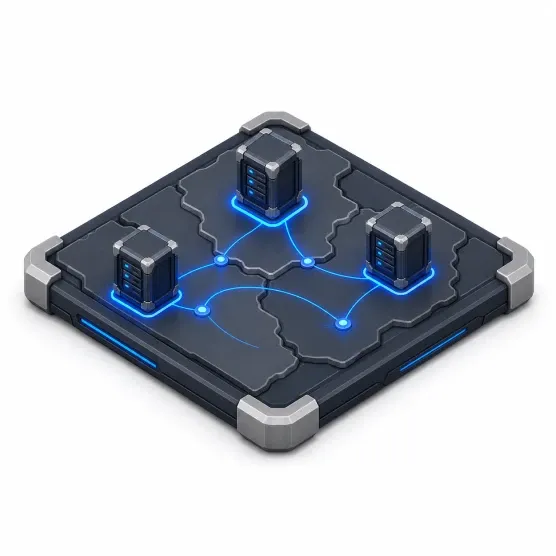
Place capacity across cloud, bare metal, or both, in the regions nearest your players.
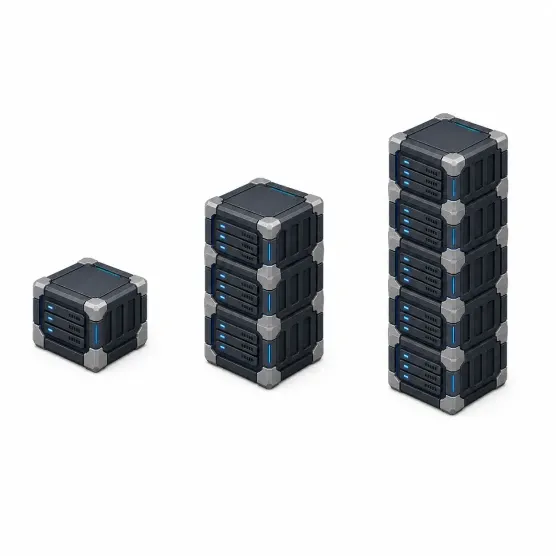
Pre-warmed servers scale up and down with live player demand, with no cold starts.
Track server health, usage, and cost in real time from built-in dashboards.
Run AMS as part of AGS Multiplayer, or bring it to the systems you already have.
Connect matchmaking, sessions, and dedicated-server allocation through the AGS Multiplayer package.
See the Multiplayer packageKeep your current player, matchmaking, or session systems and use AMS only for dedicated-server deployment and orchestration.
View setup guideStart from your server build and expected player load, then size fleets and regions around it.
From on-demand match servers to worldwide low-latency fleets, studios of every size run dedicated servers on AMS, often without an ops team.
Genun Games integrated AMS to manage dedicated servers in different regions for a low latency and seamless multiplayer experience. The integration was particularly beneficial for scaling up their infrastructure as they moved from the starter tier to a more expansive deployment.
Using AccelByte Multiplayer Servers (AMS), AEXLAB can customize matchmaking with specific game logic, including ELO, experience level, or latency to support 100's of thousands of concurrent players worldwide.
FuzzyBot used AccelByte Multiplayer Servers (AMS) to host Town and Mission servers on demand with no need for 24/7 hosting, reducing infrastructure costs and delivering seamless multiplayer without needing a backend team.

Start from the game mode, server build, target regions, and expected concurrency, then let AMS handle the rest.